Most first-time buyers treat a sample as a small order of the finished product. It is not. A sample is a development tool: it exists to answer a specific question about feasibility, fit, construction or repeatability. Asking one sample to confirm every production decision is the most reliable way to end up with a garment nobody can reproduce.
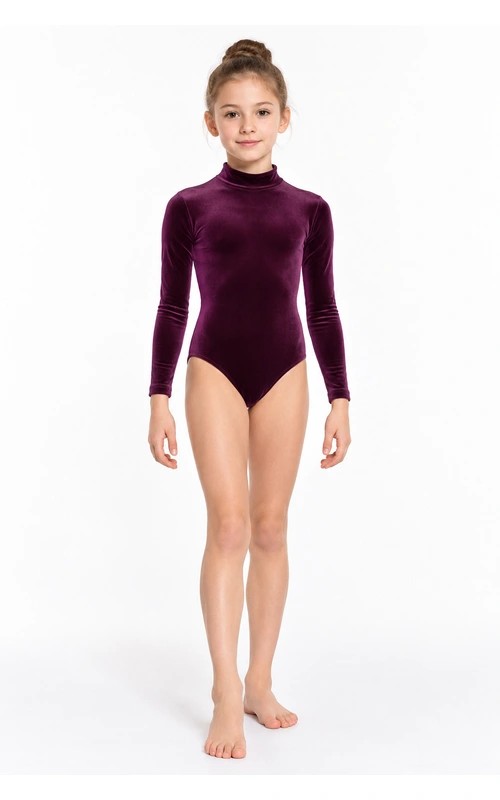
This guide walks through the sequence from tech pack to approved bulk reference, and flags where projects usually slow down.
Know which sample you are asking for
"Send me a sample" is not an instruction. Each sample type tests something different, and approving the wrong one creates false confidence.
- Proto sample. Tests the basic design and construction, often in substitute materials. It answers whether the silhouette works and whether the garment can be assembled as drawn. A proto is not suitable for approving final colour, hand feel or print quality when substitutes are used.
- Fit sample. Checks measurements, balance, ease and proportion on the intended body size. Agree the base size and the measurement method before this round, or the numbers will not mean the same thing to both sides.
- Size set sample. Checks grading across selected sizes and surfaces problems that simply do not appear in the base size. A leotard that fits perfectly at the base size can bind at the shoulder in the smallest size and ride up at the leg in the largest.
- Salesman sample (SMS). A small pre-production batch, typically 10–30 pieces per style, used for trade shows, retailer evaluation and photography. Quality should match bulk, because these units are usually the brand's first physical impression.
- Pre-production (PP) sample. The final reference before bulk, made in confirmed bulk-intent materials with correct labels, artwork and measurements. Anything approved as an exception should be written down, along with how the bulk item will be checked against it.
A simple jersey leotard may need proto, fit and PP only. A competition style with mesh panels, foil accents and a lined body will usually need every round. The decision should be explicit at the start, not improvised later.
What belongs in the tech pack
A factory cannot infer a product standard from a reference photo. A usable pack contains:
- Style number and flat sketches showing front, back and detail callouts
- Bill of materials: shell fabric, lining, elastic, thread, trims, labels, packaging
- Measurement chart with points of measure, tolerances, base size and units
- Construction notes for seams, hems, closures and finishing — for leotards, this means gusset construction, leg opening finish and strap attachment
- Colour references, with the approval method stated (Pantone TCX, lab dip, or strike-off)
- Print artwork in a usable file format, with dimensions and placement
- Label artwork, wording, size breakdown and placement
- Target age or height range, sales market, season and expected order quantity
- The sample type required, quantity, review purpose and deadline
If something is still open, mark it TBC and name who decides and by when. Visible open items cause far less delay than hidden gaps — a factory that assumes a specification on your behalf is a factory that will surprise you at PP stage.
Where development usually slows down
Across kids dancewear programmes, the same five points account for most delays:
- Contradictory measurements. A chart that specifies a chest width and a body length which cannot coexist on the intended fabric. These get caught at pattern making, and the fix costs a week.
- Undecided base size. Grading cannot start until the base size is fixed. If you plan to sell 4–14Y, decide which size is the fit reference — usually the middle of the range, not the smallest.
- Material substituted without approval. Two knits can look identical on a swatch card and behave differently after ten washes. Any substitution needs to be flagged in writing, with the consequence explained.
- Artwork arriving late or in the wrong format. Print placement and scale have to be confirmed before the strike-off, or the sample comes back with the print sized for a different panel.
- Changes sent through several channels. If revisions arrive by email, WhatsApp and a phone call on the same day, the factory works from whichever arrived last. Consolidate changes into one controlled document per revision.
Grading: the step most brands underestimate
Grading does not create a new shape — it scales the approved base pattern up and down while preserving fit and proportion. This is precisely why it is easy to get wrong on children's garments: a child's body does not scale linearly, and a leotard that graded cleanly in a women's range will not automatically work across 4–14Y.
Two practical consequences for buyers:
- Check the size set, not just the base size. The defects that matter — a strap that digs in, a leg opening that rides, a gusset that pulls — almost always appear at the ends of the range.
- Agree the grade rule before grading. Which measurements step evenly, which step in increments, and where the range changes proportions (toddler to child is a real transition, not a smooth line).
For leotards specifically, the strap length, torso length and leg opening circumference are the three measurements worth arguing about at this stage rather than at PP.
How we run sampling at Naditas
We make leotards on the same stretch-fabric lines as our kids' swimwear, with the same children's pattern grading and private-label service. Samples typically run 7–10 days and bulk 25–40 days after PP approval.
At enquiry we ask for fibre content, weight, stretch direction, base size and target market. Where a specification cannot be confirmed with the mill, we say so instead of assuming it. Our gymnastics and dancewear range is developed this way, and the fabric decisions behind it are set out in our cotton versus nylon spandex guide.